November 18, 2026
Most people give their heating and cooling equipment little thought when every room feels comfortable. That changes quickly when an air conditioner struggles through a hot afternoon or a furnace stops working on a cold night. Routine maintenance cannot prevent every malfunction, but it gives homeowners a chance to address developing problems before equipment is under its greatest seasonal strain. It also creates a useful record of how the system is performing over time.
According to Workyard, only 30% of homeowners schedule preventative HVAC maintenance. That leaves many households waiting until something feels wrong before calling for help. Setting aside time for HVAC service is a practical way to move from reacting to breakdowns toward caring for equipment throughout its working life. Here is what makes that calendar reminder worthwhile.
Help Your System Use Energy More Effectively
Heating and cooling systems need clear airflow and properly functioning components to work as intended. Dust buildup, clogged filters, or a fan that is not operating correctly can interfere with performance. The equipment may run longer to reach the thermostat setting, leaving certain rooms uncomfortable and potentially increasing energy use. An inspection can help identify these issues rather than treating every temperature problem as a reason to replace the system.
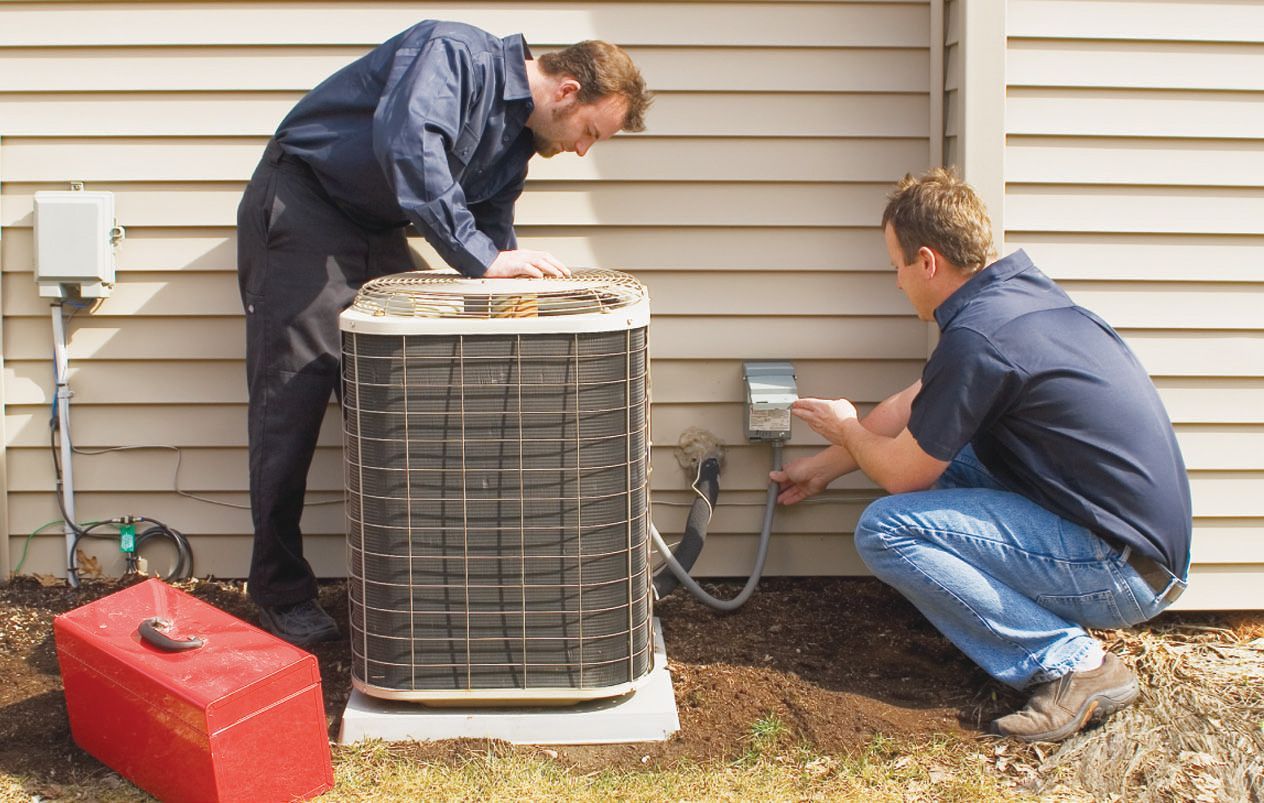
During a preventive visit, a technician may check airflow, inspect coils and accessible components, and confirm that controls respond appropriately. The exact tasks depend on whether the home has a furnace, heat pump, central air conditioner, or another system. Cleaning and adjustments should follow manufacturer requirements instead of a generic checklist that assumes every unit is alike.
An HVAC service appointment is also a good time to describe changes in comfort or utility usage. Rising bills alone do not prove equipment is malfunctioning; weather, occupancy, and thermostat settings matter too. They can, however, provide a reason to investigate when combined with longer run times or weak airflow.
Catch Wear Before It Becomes a Bigger Problem
Mechanical and electrical parts change with age and use. Connections may loosen, drain lines may become obstructed, and moving parts can develop signs of wear. A small issue that is easy to overlook during normal operation may contribute to a shutdown if it continues. Finding a concern early does not always mean an immediate repair, but it allows you to plan instead of discovering it during the next temperature extreme.
A technician can document the condition of important components and explain which findings require attention. Ask whether a recommendation addresses a safety concern, a performance issue, or ordinary aging. That distinction helps you judge urgency and understand your choices. Keep service records and repair invoices together so changes can be compared across visits.
Preventive HVAC service may help equipment operate reliably for longer, although no maintenance schedule guarantees a particular lifespan. Installation quality, climate, usage, and the condition of the system all influence how well it holds up. If replacement is approaching, an inspection can also help you begin evaluating options without making a rushed decision.
Support Cleaner Air and Better Humidity Control
HVAC equipment affects indoor comfort in more ways than temperature alone. A filter captures some airborne particles as air circulates through the system, while correctly functioning cooling equipment can remove moisture under suitable conditions. Dirty filters and drainage problems can affect these processes, creating comfort concerns that may not be obvious from the thermostat reading.
Check the filter at the intervals recommended by its manufacturer and replace or clean it when needed. Homes with pets, heavy dust, or frequent system operation may need more frequent attention. Use a filter compatible with your equipment; selecting one that restricts airflow can create problems rather than solve them. Keep furniture and stored items away from supply and return openings.
A routine HVAC service visit can reveal concerns with condensate drainage, airflow, or humidity-related operation. Maintenance is not a substitute for adequate fresh-air ventilation, however, and it cannot remove every indoor pollutant. If musty odors or persistent moisture remain, ask about moisture sources, ventilation, and whether a separate assessment is appropriate.
Reduce the Chance of Inconvenient Breakdowns
A breakdown rarely arrives at a convenient time. During a heat wave or cold spell, service demand can rise while households need dependable temperature control the most. Preventive checks offer an opportunity to find weakened parts, test system operation, and discuss repairs before those conditions arrive. They reduce some risks without making the equipment failure-proof.
Spring is often a sensible time to prepare air conditioning, while fall is useful for checking heating equipment. The best frequency depends on the manufacturer's guidance, the equipment type, and its age and condition. Some systems benefit from more frequent professional attention than others. Rather than booking solely by the calendar, combine seasonal planning with changes you notice in everyday use.
Write down symptoms before scheduling HVAC service: unfamiliar noises, unusual odors, short cycling, uneven room temperatures, or water near the indoor unit. Provide details about when each issue occurs. This helps the technician focus the evaluation and gives you a clearer explanation of any proposed work. Do not ignore urgent warning signs just because a maintenance visit is already scheduled.
Give Safety Checks the Attention They Deserve
Home comfort equipment can involve electricity, moving components, refrigerants, and, with some heating systems, combustion. Those are reasons to separate simple homeowner upkeep from work that requires training and appropriate tools. You can generally inspect a replaceable filter, check thermostat settings, or remove loose leaves from around an accessible outdoor unit while following the manufacturer's safety directions. Electrical repairs, refrigerant work, and internal combustion-system inspections belong with qualified professionals.
For fuel-burning systems, service may include checking venting, ignition, safety controls, and accessible heat-exchanger conditions as appropriate. A carbon monoxide alarm is also important where combustion appliances are used, but an alarm does not replace proper inspection or maintenance. If you suspect a gas leak or carbon monoxide exposure, leave the area and contact emergency services or the appropriate utility rather than attempting repairs.
Ask what safety-related steps are included in an HVAC service visit. The answer should be specific to the system in your home. Clear explanations can help you distinguish routine recommendations from problems that need immediate attention.
Make Maintenance Easier to Keep Up With
The most useful maintenance plan is one you can follow consistently. Set reminders ahead of the seasons when equipment works hardest, and note the filter type and replacement interval in your phone or household calendar. Keep the model number, installation date if known, warranty information, and technician's recommendations in one accessible place. These details save time when scheduling future appointments or explaining a recurring problem. Ask whether your equipment warranty requires documented maintenance and which records should be retained for potential future claims.
Between professional visits, watch how your home feels. Rooms that gradually become harder to heat or cool, persistent airflow changes, and unexpected sounds are worth documenting. Resist the temptation to adjust internal parts or troubleshoot unfamiliar electrical components yourself. When needed, schedule an inspection rather than waiting for a complete failure.
Professional
HVAC service fits into the same practical routine as checking smoke alarms or maintaining household plumbing: it helps you recognize concerns and make informed decisions. To discuss maintenance needs and plan an appropriate visit, contact Manatee Air Heating & Cooling Inc. A simple reminder today can make seasonal changes easier to manage tomorrow.