November 15, 2026
HVAC systems play an essential role in maintaining comfortable indoor temperatures and healthy air quality in residential and commercial properties. Because heating and cooling equipment represents a significant investment, protecting its performance through regular maintenance is important. Proper care helps reduce unnecessary wear, improve energy efficiency, and prevent unexpected breakdowns. Whether maintaining an existing system or scheduling a new HVAC install, understanding maintenance requirements can help property owners maximize equipment longevity. Establishing consistent maintenance practices also supports dependable operation throughout changing seasons while reducing long-term expenses.
Understanding HVAC Systems and Their Components
HVAC systems contain several interconnected components responsible for heating, cooling, ventilation, and air circulation. Important parts include compressors, condenser coils, evaporator coils, blower motors, thermostats, and air filters. Each component contributes to maintaining consistent indoor temperatures and comfortable living conditions. When one part becomes inefficient, other components may experience additional strain, potentially accelerating wear throughout the system.
Different HVAC configurations require specific maintenance approaches. Central heating and cooling systems typically rely on ductwork to distribute conditioned air, while ductless mini-splits provide temperature control without traditional ducts. Heat pumps transfer heat between indoor and outdoor environments, offering both heating and cooling capabilities. Regardless of equipment type, routine inspections help identify developing problems before they affect overall performance. Understanding these differences allows property owners to develop maintenance plans suited to their equipment.
Recognizing Early Signs of Equipment Wear
Identifying warning signs early is essential for preventing unnecessary damage and extending equipment lifespan. Unusual noises, inconsistent temperatures, weak airflow, and frequent cycling can indicate mechanical or electrical problems. Rising energy bills without corresponding changes in usage may also suggest declining efficiency. Addressing these symptoms promptly helps prevent minor malfunctions from becoming expensive repairs.
Property owners should also watch for excessive moisture, unpleasant odors, and unexplained changes in indoor humidity. These conditions may indicate drainage problems, restricted airflow, or other maintenance concerns. Equipment that struggles to maintain thermostat settings may require professional evaluation. When recurring problems become increasingly expensive, technicians can determine whether repairs remain practical or whether a replacement HVAC install would provide better long-term value.
Improving Energy Efficiency Through Maintenance
Regular maintenance helps heating and cooling equipment operate efficiently by reducing unnecessary resistance and mechanical strain. Dirty filters, obstructed coils, and poorly maintained components can force systems to consume additional energy. Cleaning equipment, inspecting electrical connections, and checking airflow help restore proper operating conditions. Efficient operation can lower utility expenses while reducing the environmental impact associated with energy consumption.
According to the U.S. Department of Energy, replacing a dirty HVAC filter can lower an air conditioner's energy consumption by 5% to 15%. This demonstrates how relatively simple maintenance practices can produce meaningful efficiency improvements. Property owners can also improve performance by sealing air leaks, maintaining adequate insulation, and using programmable thermostats. Combining these improvements with regular professional servicing supports consistent comfort and more predictable operating costs.
Maintaining Filters and Indoor Air Quality
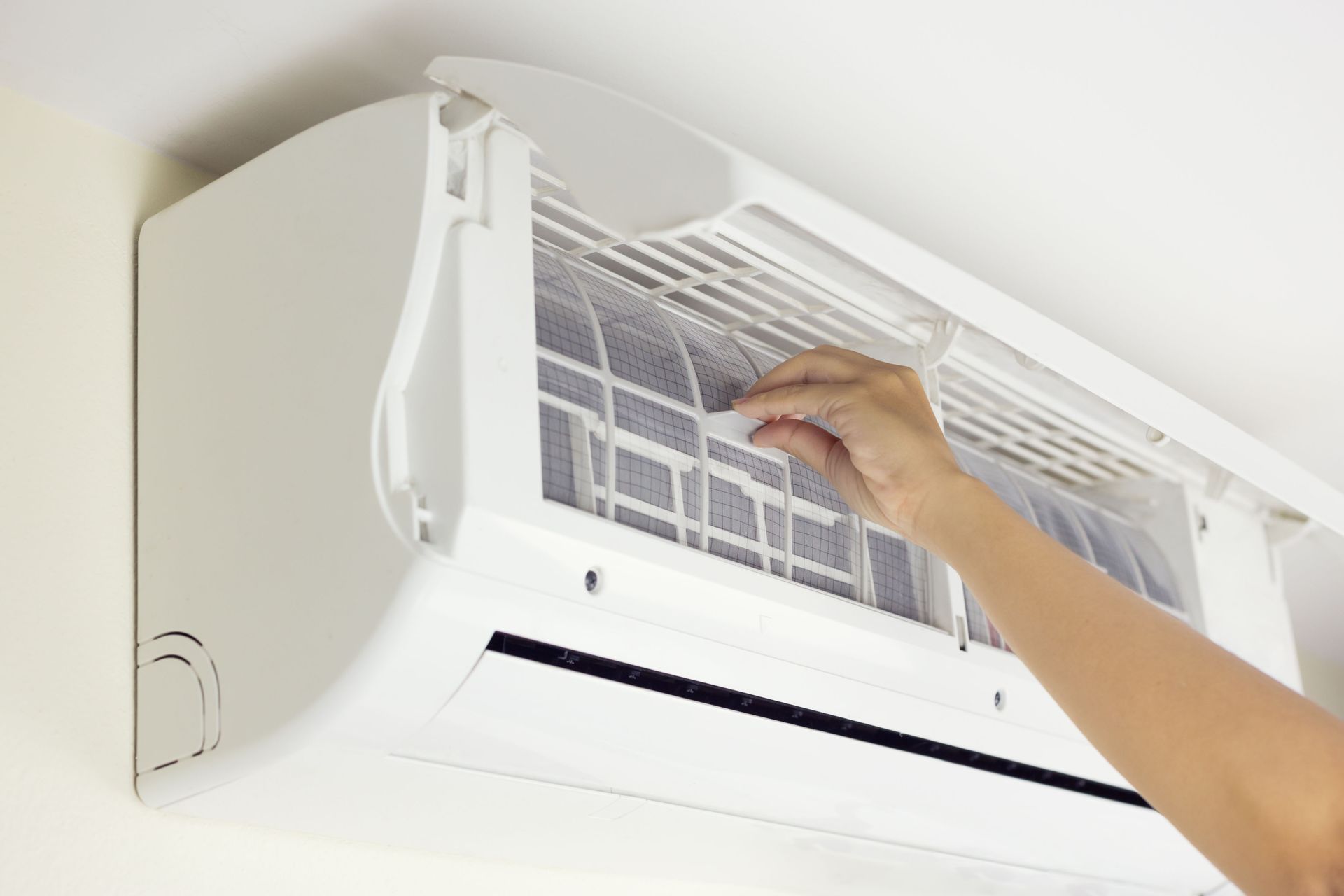
Air filters capture airborne particles before they circulate through heating and cooling equipment. Over time, accumulated dust and debris restrict airflow, making it harder for the system to distribute conditioned air. Regular filter inspections and timely replacements help protect blower components and maintain appropriate circulation. Replacement frequency depends on filter specifications, household conditions, equipment requirements, and operating patterns.
Proper maintenance also supports healthier indoor environments by helping control airborne contaminants and moisture levels. Cleaning accessible vents, inspecting drainage systems, and addressing excessive humidity can reduce conditions that contribute to microbial growth. Professional technicians can evaluate ventilation performance and recommend appropriate filtration improvements. During an HVAC install, selecting compatible filtration equipment and ensuring adequate airflow can establish a strong foundation for continued indoor air quality management.
Cleaning Coils and Inspecting Mechanical Components
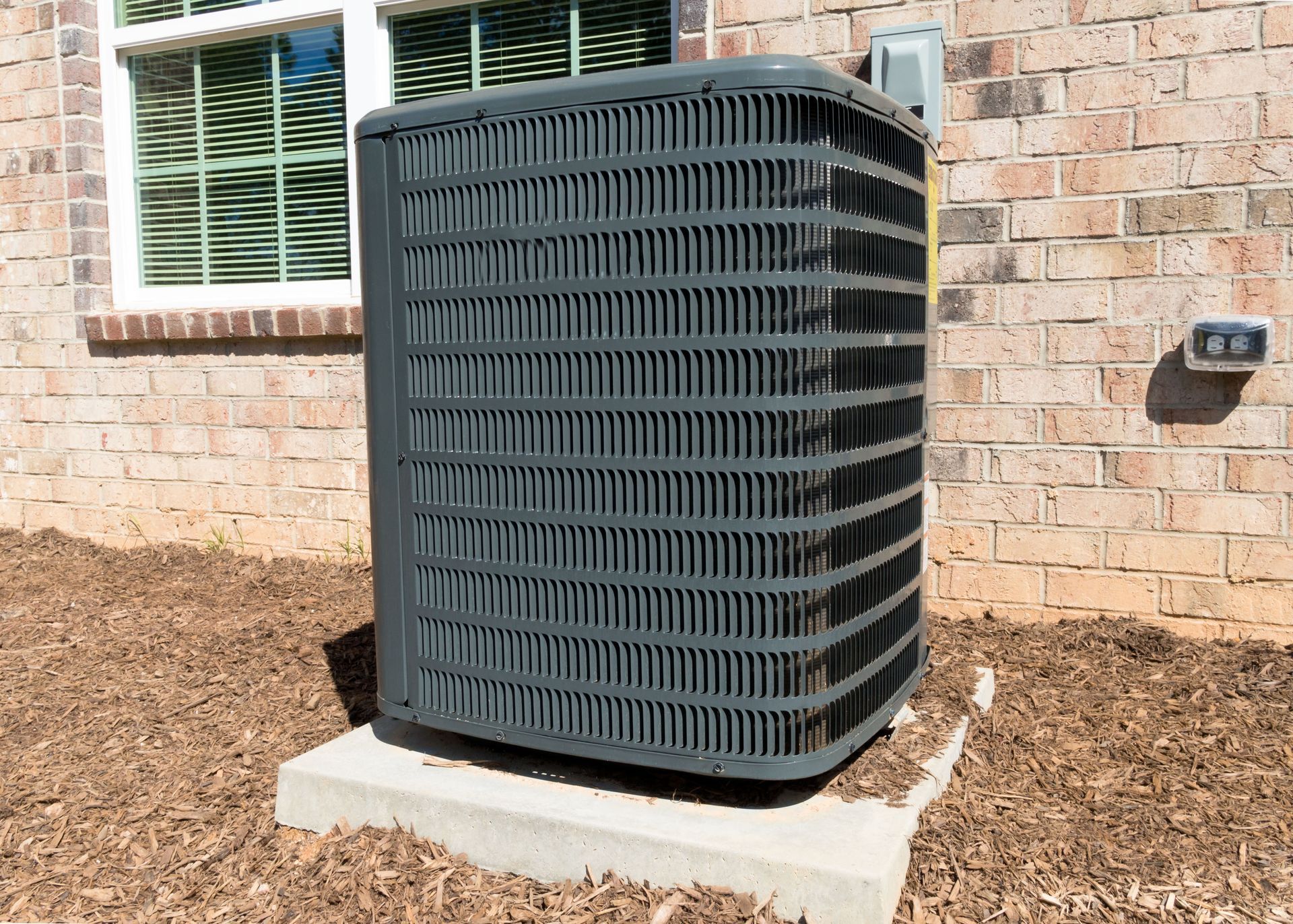
Evaporator and condenser coils are responsible for transferring heat during the cooling process. When dirt accumulates on these surfaces, heat exchange becomes less effective, forcing equipment to operate longer to reach desired temperatures. Regular coil cleaning helps maintain efficiency and reduces unnecessary strain on compressors and related components. Outdoor units should also remain clear of leaves, vegetation, and debris that could obstruct airflow.
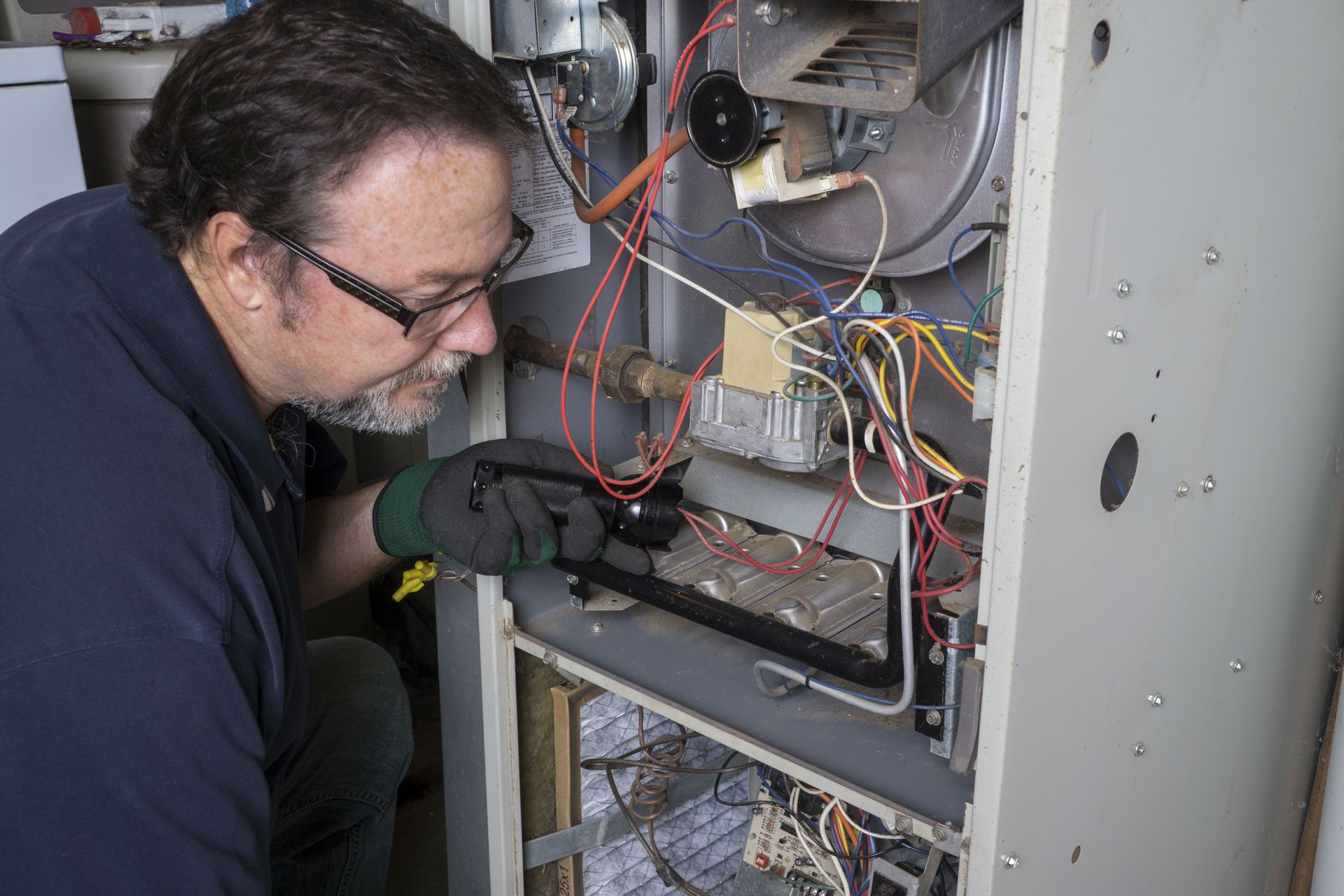
Mechanical components require additional attention to maintain reliable operation. Technicians inspect blower assemblies, motors, bearings, electrical connections, and other moving parts for signs of deterioration. Components designed for lubrication should receive appropriate servicing according to manufacturer specifications. These preventive measures help reduce friction, overheating, and premature mechanical failure. Maintaining clean, properly functioning equipment supports consistent performance throughout its expected service life.
Inspecting Ductwork and Thermostat Performance
Ductwork plays an important role in distributing heated and cooled air throughout a building. Leaks, disconnected sections, and inadequate insulation can allow conditioned air to escape before reaching occupied spaces. These problems may increase energy consumption and create uncomfortable temperature differences between rooms. Periodic inspections help identify damaged connections, airflow restrictions, and insulation concerns that require attention.
Thermostats also influence equipment efficiency by controlling operating cycles and temperature settings. Incorrect readings or improper programming can cause unnecessary heating and cooling activity. Checking thermostat accuracy and adjusting schedules according to occupancy patterns helps reduce avoidable equipment operation. Professional technicians can also verify that controls communicate correctly with system components. Accurate controls and well-maintained ductwork complement the benefits of a properly completed HVAC install.
Scheduling Seasonal Preventive Maintenance
Seasonal maintenance prepares heating and cooling equipment for periods of increased demand. Spring inspections typically focus on cooling performance, including coil cleanliness, condensate drainage, refrigerant circuit condition, and electrical components. Fall appointments emphasize heating operation, safety controls, ignition components where applicable, and airflow. Scheduling service before extreme temperatures arrive allows property owners to address potential problems without the added pressure of unexpected equipment failure.
A structured maintenance schedule also makes it easier to document repairs and monitor equipment condition over time. Service records can reveal recurring problems, identify components requiring attention, and support warranty compliance. Maintenance intervals should follow manufacturer recommendations and reflect equipment usage. Consistent seasonal care reduces the likelihood of preventable disruptions while supporting reliable heating and cooling performance.
Understanding Professional and DIY Maintenance
Some maintenance responsibilities can be handled safely by property owners. Replacing accessible air filters, keeping supply vents unobstructed, clearing debris around outdoor equipment, and monitoring thermostat settings are practical examples. These activities help maintain basic operating conditions between professional appointments. However, homeowners should avoid opening electrical compartments or attempting repairs involving refrigerants and complex mechanical components.
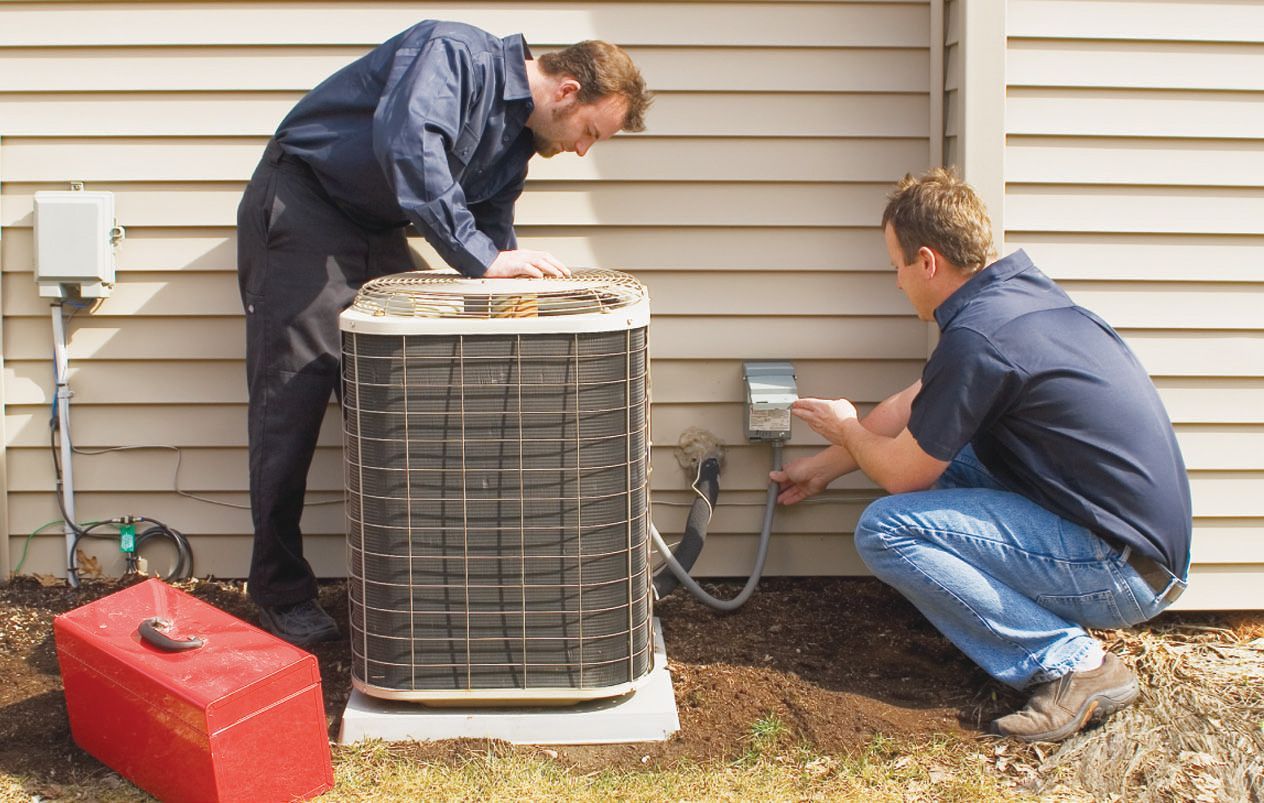
Professional technicians possess the training and specialized equipment needed to diagnose electrical faults, inspect refrigerant systems, evaluate airflow, and perform technical adjustments. Their assessments can identify developing issues that may not be apparent during routine homeowner inspections. Professional guidance is especially valuable when evaluating older equipment or planning an HVAC install that must accommodate a property's heating and cooling requirements. Combining appropriate DIY care with professional inspections provides a balanced maintenance strategy.
Regular HVAC maintenance is essential for improving energy efficiency, controlling repair expenses, and extending equipment lifespan. Routine filter changes, professional inspections, seasonal servicing, and timely repairs help prevent unnecessary mechanical strain. By combining preventive maintenance with responsible equipment operation, property owners can maintain dependable indoor comfort while reducing avoidable expenses. Whether caring for an established system or preparing for a future HVAC install, consistent attention to equipment condition supports lasting performance, improved reliability, and greater long-term value. Contact our team at Manatee Air Heating & Cooling Inc today and learn more about our HVAC services.