October 20, 2026
Heating and cooling systems play an essential role in maintaining indoor comfort throughout the year. However, as equipment ages, homeowners may face a difficult decision about whether to repair a malfunctioning unit or invest in a replacement. A minor problem might require only a straightforward repair, while recurring breakdowns could indicate that the system is approaching the end of its useful life. Making the right choice involves considering equipment age, repair costs, energy efficiency, comfort, and long-term reliability. A professional HVAC company can evaluate these factors and explain which option makes the most sense for your home. Rather than making a decision based on a single repair estimate, homeowners can benefit from a comprehensive assessment of their system's condition. Understanding how professionals approach this decision can help you avoid unnecessary expenses and maintain dependable indoor comfort.
Evaluating the System's Overall Condition
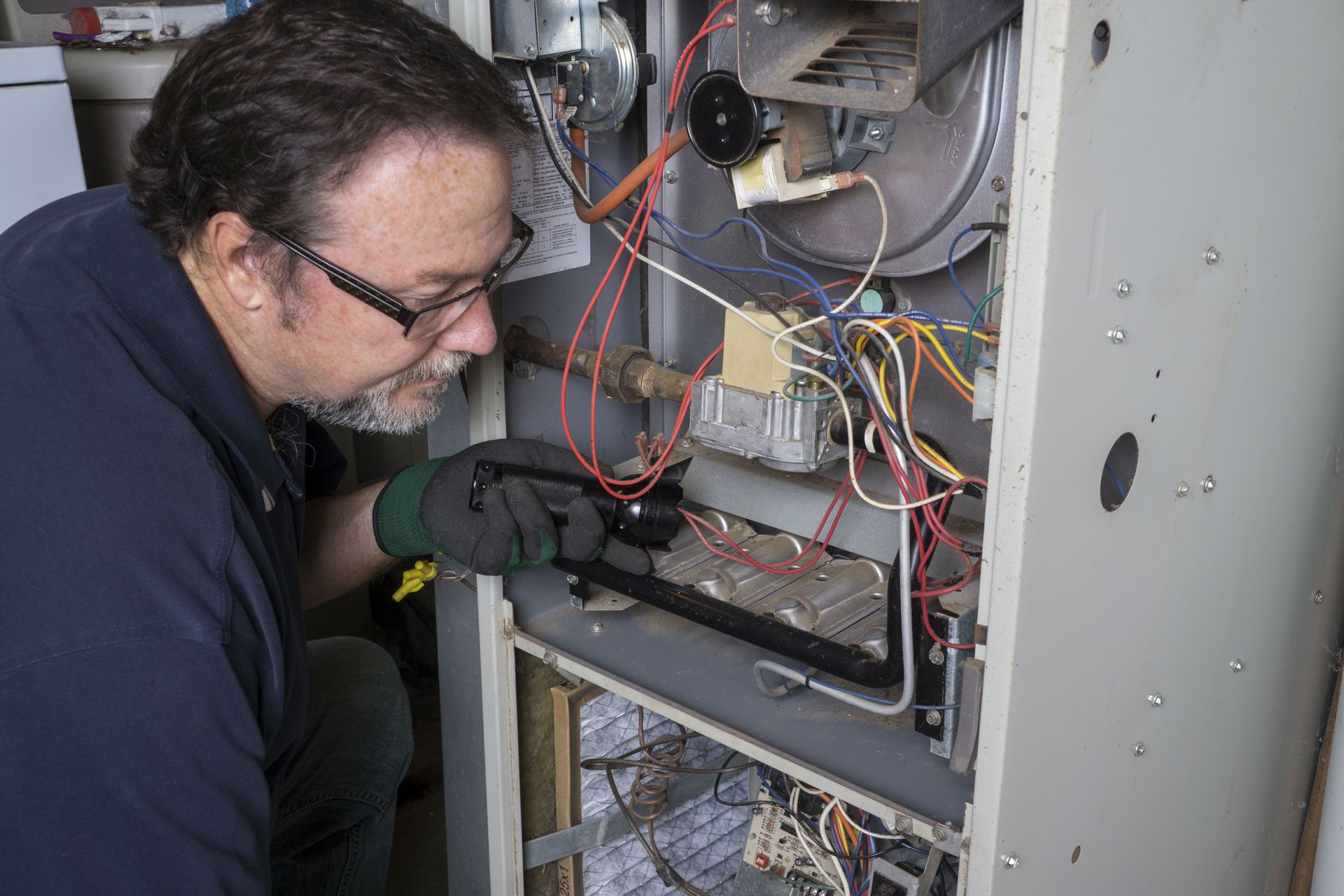
The first step in deciding whether to repair or replace an HVAC system is understanding its current condition. A technician examines important components, checks system operation, and looks for signs of wear that could affect performance. The inspection may include the blower motor, electrical connections, refrigerant system, thermostat, coils, and other essential parts. Identifying the source of a problem helps determine whether the issue is isolated or part of a broader decline in equipment performance. An experienced HVAC company can explain which components are functioning properly and which require attention. This assessment also helps distinguish between a repairable malfunction and damage that could make replacement more practical. Homeowners should ask questions about the severity of the problem and whether similar issues are likely to develop. Understanding the system's overall condition provides a useful foundation for making an informed decision.
Considering the Equipment's Remaining Lifespan
The age of an HVAC system can influence whether repairing it is a sensible investment. Newer equipment may have many years of useful service remaining, making a repair worthwhile when the problem is relatively minor. Older systems may experience more frequent failures as components deteriorate and replacement parts become harder to obtain. According to HomeGuide, a properly installed and well-maintained HVAC unit generally lasts between 15 and 25 years. This range provides a useful reference, although actual lifespan depends on equipment type, maintenance history, operating conditions, and usage. An HVAC company can evaluate the age of your system alongside its present condition to estimate whether continued repairs are reasonable. Homeowners should also consider whether the equipment has required repeated service visits in recent years. Looking at age and performance together offers a clearer perspective than relying on age alone.
Comparing Repair Costs With Replacement Costs
Cost is often one of the most important factors when deciding whether to repair or replace an HVAC system. A relatively inexpensive repair may restore normal operation without requiring a major financial commitment. However, several costly repairs within a short period can make continued maintenance less attractive. An HVAC company can provide an estimate for the recommended repair and explain which parts, labor, or additional work are included. Homeowners can then compare that amount with the estimated cost of installing a replacement system. It is also important to consider potential future expenses rather than evaluating only the immediate repair bill. If a major component fails on an older system, replacing the equipment may offer better long-term value than investing heavily in a unit with other aging parts. Reviewing both immediate and anticipated costs helps homeowners choose an option that fits their budget and priorities.
Identifying Changes in Energy Efficiency
Rising energy bills can sometimes indicate that an HVAC system is no longer operating as efficiently as it should. Dirty coils, restricted airflow, malfunctioning components, and incorrect system settings can increase energy consumption. Older equipment may also be less efficient than newer models designed to meet more recent performance standards. Before recommending replacement, a technician should determine whether the higher energy use is caused by a repairable issue or by the equipment's overall limitations. A knowledgeable HVAC company can inspect the system and discuss how its current performance compares with suitable replacement options. Homeowners should remember that energy bills can also change because of weather, thermostat settings, insulation, and household usage. Comparing bills across similar seasons can help reveal whether a longer-term pattern exists. Evaluating efficiency alongside repair costs provides a more complete picture of the financial implications of keeping an older system.
Assessing the Quality of Indoor Comfort
An HVAC system should maintain reasonably consistent temperatures while supporting appropriate indoor humidity levels. If certain rooms remain uncomfortable, the problem could involve the equipment, ductwork, insulation, airflow, or thermostat settings. Homeowners may also notice excessive humidity, weak airflow, unusual cycling, or difficulty reaching the desired temperature. These symptoms do not automatically mean the entire system needs replacement, because some can be resolved through targeted repairs or adjustments. An HVAC company can investigate the cause and determine whether the existing equipment can meet the home's heating and cooling needs. If the system is undersized, oversized, or no longer capable of providing adequate performance, replacement may deserve consideration. Professionals can also evaluate whether ductwork or building-envelope problems contribute to the discomfort. Addressing the actual cause helps prevent homeowners from investing in new equipment without resolving the underlying issue.
Reviewing Repair Frequency and Reliability
Occasional repairs are a normal part of owning mechanical equipment, but frequent breakdowns may signal a more serious problem. Repeated service calls can disrupt household routines and make it difficult to depend on consistent heating or cooling. Homeowners should consider how often failures occur, whether they involve the same component, and how much each visit costs. An HVAC company can review the system's service history and identify patterns that may indicate ongoing deterioration. If failures are isolated and relatively inexpensive, repairing the system may remain a practical option. Conversely, repeated breakdowns involving different major components may suggest that replacement deserves closer consideration. Reliability also matters when a household depends heavily on heating or cooling during extreme weather. Comparing the system's repair history with the cost and expected performance of replacement equipment can help homeowners make a more confident choice.
Exploring Modern Replacement Options
When replacement appears appropriate, homeowners can compare available systems based on efficiency, capacity, features, and installation requirements. Modern HVAC equipment may offer improved controls, quieter operation, and performance options that were unavailable when an older unit was installed. However, the best replacement is not necessarily the model with the highest efficiency rating or the greatest number of features. Equipment should be properly sized for the home and selected according to its heating and cooling requirements. A professional HVAC company can evaluate the property, discuss suitable system types, and explain the differences between available options. Homeowners should also ask about installation quality, warranty terms, maintenance requirements, and expected operating costs. Proper installation is essential because even high-quality equipment can perform poorly when incorrectly sized or installed. Reviewing these considerations helps ensure that replacement addresses the existing problems and supports long-term comfort.
Future renovation plans can also influence equipment selection, particularly if changes will affect the home's heating and cooling requirements. An HVAC company can help compare options according to these practical considerations rather than focusing exclusively on the immediate repair. Homeowners should also account for maintenance costs, potential energy savings, warranty coverage, and the importance of reliable operation. Taking time to review these factors can make the decision more manageable and reduce the likelihood of regret. A well-informed plan helps balance short-term affordability with long-term household needs. Rather than waiting for a complete breakdown, consider having your system evaluated when performance changes or repair needs become increasingly frequent.
A knowledgeable technician can explain the available options and help you understand the practical implications of each choice. Contact Manatee Air Heating & Cooling Inc today to schedule an HVAC evaluation and get professional guidance on whether repairing your current system or replacing it is the right choice for your home.