September 11, 2026
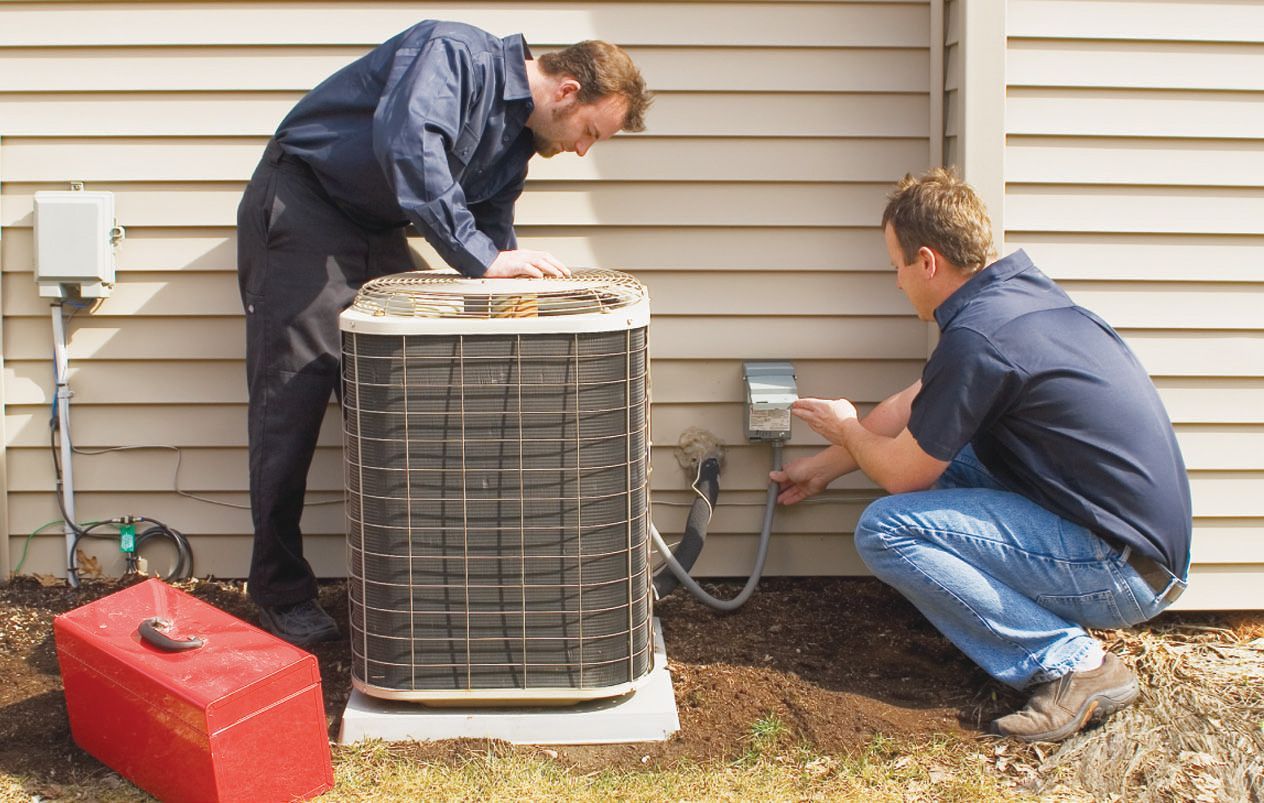
Properly planning for major home comfort service minimizes stress, protects your financial investment, and ensures your household remains cool throughout the summer heat. Whether you are facing sudden equipment failure or systematically planning a modern upgrade, taking proactive steps simplifies the entire project. Understanding what to expect during air conditioning repair and replacement helps homeowners ask the right questions, evaluate service estimates accurately, and make informed choices for long-term household efficiency and indoor air quality.
Assess System Performance and Equipment Condition
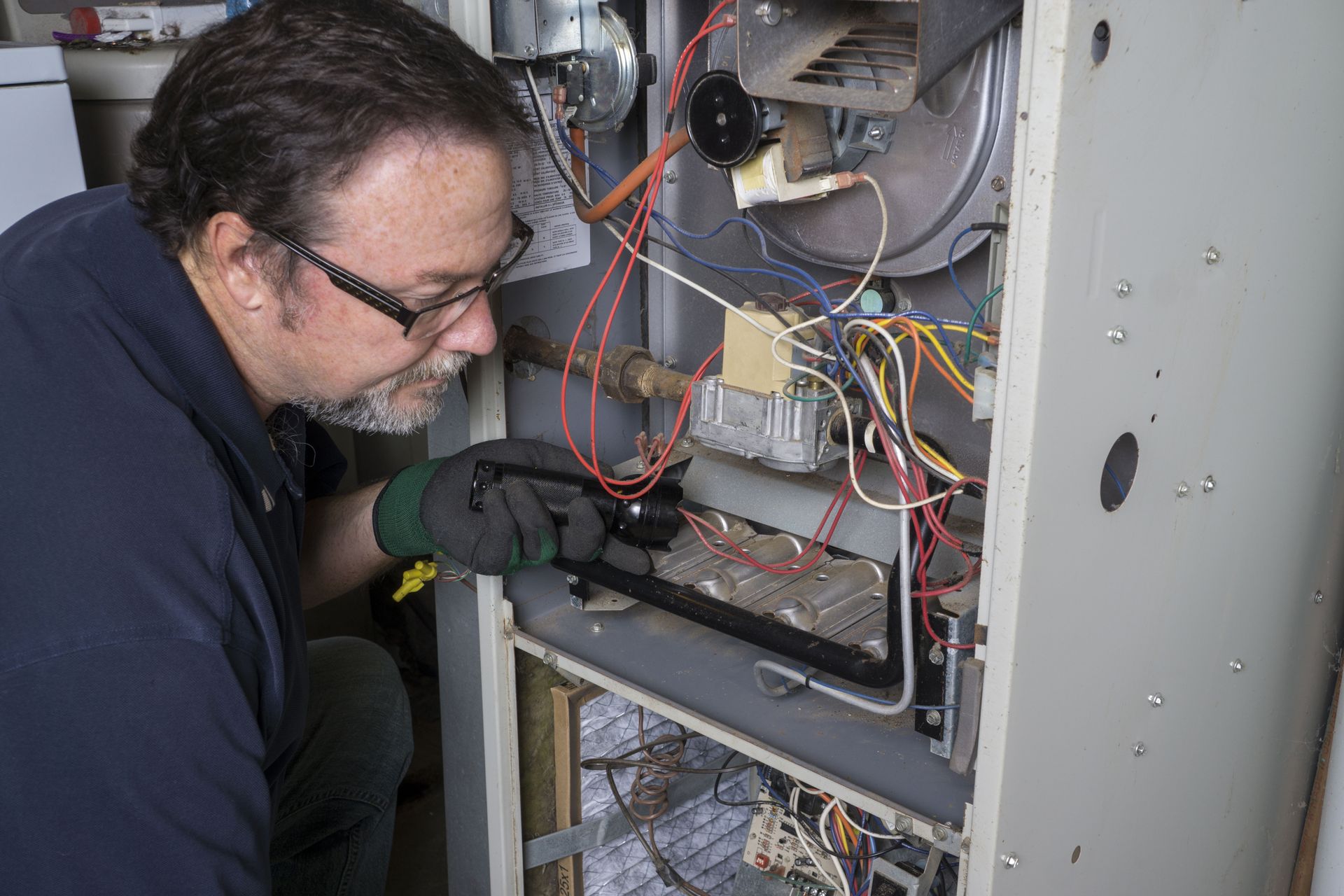
Evaluating the general operational state of your cooling system serves as the foundational step in deciding between simple servicing or complete system installation. Older cooling units often exhibit clear signs of wear, including inconsistent cooling output, unusual mechanical noises, elevated indoor humidity, and steadily rising utility costs. As cooling components age over a decade or more, internal mechanical failure becomes more frequent, often turning routine maintenance into a costly recurring endeavor. Reviewing historical service records gives valuable clarity regarding how often past fixes were required and whether ongoing operational issues indicate that major mechanical components are reaching the end of their functional lifespan.
Homeowners should also evaluate whether their existing system continues to meet the evolving structural demands of the property. Home renovations, room additions, upgraded insulation, or shifts in household occupancy significantly alter your overall cooling requirements. An improperly sized unit will struggle continuously, cycling on and off rapidly or running constantly without providing uniform comfort across every room. Consulting an experienced HVAC specialist for a comprehensive system assessment helps determine whether targeted service will restore proper airflow or if pursuing air conditioning repair and replacement offers a more efficient solution.
Evaluate Home Cooling and Comfort Needs
Achieving consistent temperature control throughout your home requires a clear understanding of your specific indoor comfort priorities. Older cooling units frequently develop uneven airflow, creating noticeable temperature variances between different rooms or levels of a house. Modern cooling equipment integrates variable-speed compressor technology and advanced airflow management to maintain precise indoor temperatures while significantly reducing energy usage. Identifying persistent hot spots or air distribution problems in advance allows technicians to recommend targeted duct adjustments or modern system designs tailored directly to your layout.
Indoor air quality and lifestyle habits also play a major role when planning an air conditioning repair and replacement project. Advanced modern systems offer high-efficiency filtration options, integrated dehumidifiers, and smart home automation features that allow precise remote temperature scheduling. If family members suffer from allergies or asthma, selecting updated cooling components with superior filtration capabilities substantially improves indoor air conditions. Outlining your family's daily routines and specific comfort expectations ensures that any new system or major repair work delivers healthy, consistent, and customized climate control for your household.
Calculate Financial Costs and Energy Savings
Weighing immediate service expenses against long-term operational savings is essential when preparing for air conditioning repair and replacement. Minor mechanical fixes are often economical for relatively new units, but frequent repairs on aging equipment can rapidly exceed the total cost of installing a new system. Modern high-efficiency models consume considerably less electricity than older cooling units, generating substantial monthly utility savings that help offset initial purchase costs over time. Examining both immediate repair estimates and potential energy reductions enables property owners to make sound financial decisions that support long-term household stability.
Industry data reveals that, according to WebX, 14.3 million HVAC units are replaced each year across the country, illustrating how frequently homeowners navigate these system decisions. Investing in updated cooling technology often qualifies homeowners for local utility rebates and federal energy-efficiency incentives, further reducing out-of-pocket expenses. Evaluating ongoing maintenance demands alongside long-term utility bills provides a clear financial perspective. By analyzing total cost of ownership rather than focusing solely on upfront prices, you can confidently choose an approach that aligns with your financial strategy and home efficiency goals.
Establish Realistic Budgets and Emergency Funds
Building a detailed project budget requires researching regional labor rates, equipment options, and prospective installation requirements. A comprehensive budget should outline both primary expenses, such as component pricing and technician fees, and secondary costs related to system efficiency. Gathering detailed estimates from multiple licensed service providers provides a reliable pricing baseline and prevents unexpected financial surprises. Clearly defining your spending parameters early in the decision-making process helps prioritize essential system features while ensuring your project remains within reasonable financial boundaries.
Allocating a dedicated contingency fund protects homeowners from unexpected structural or electrical expenses during system work. Replacing or repairing cooling equipment sometimes reveals necessary ductwork modifications, electrical panel upgrades, or code-compliance adjustments that were not visible during initial evaluations. Setting aside a financial safety cushion ensures these necessary adjustments can be completed without delaying your project or creating financial hardship. Proper financial planning creates a seamless experience when managing air conditioning repair and replacement costs from initial consultation through final inspection.
Choose Qualified Heating and Cooling Professionals
Selecting an experienced contractor is critical when arranging air conditioning repair and replacement for your property. Begin by researching established local HVAC companies with proven track records, positive customer feedback, and verifiable industry references. Reputable service providers willingly answer questions regarding technician qualifications, project timelines, and warranty options. Initiating preliminary consultations allows you to gauge communication responsiveness, professional demeanor, and overall business transparency, ensuring you partner with a contractor dedicated to delivering quality craftsmanship and exceptional customer service.
Verifying credentials, state licensing, and comprehensive liability insurance protects your property throughout the service process. Certified HVAC technicians possess the technical training required to evaluate complex electrical systems, handle refrigerants safely, and perform precise cooling load calculations. Request detailed written estimates that clearly itemize labor fees, equipment costs, warranty terms, and project schedules before signing any contracts. Working with properly credentialed professionals guarantees that all repair work or installation procedures adhere strictly to local building codes and manufacturer specifications for optimal system performance.
Prepare Indoor Spaces for Installation Work
Preparing your home environment before technicians arrive facilitates a safe, efficient, and timely service process. Clear wide pathways leading to indoor air handlers, thermostats, and outdoor condenser units so contractors can move equipment easily without damaging walls or furnishings. Move personal belongings, furniture, and delicate decor away from the immediate work area to prevent accidental damage or dust accumulation during servicing. Taking these simple preparatory steps allows service crews to begin work immediately upon arrival and execute the project safely.
Securing domestic pets in a quiet, isolated room prevents stress for animals and keeps work zones clear for installation crews. Ensure technicians have unobstructed access to electrical breaker panels and water shut-off valves in case power adjustments are necessary during service. Reviewing final project details, warranty coverage, and system maintenance instructions with your contractor completes your air conditioning repair and replacement experience. Maintaining clear communication with your service team ensures high-quality results and long-lasting cooling performance for your entire home.
Properly preparing for cooling system repairs or equipment replacement turns a complex project into a manageable, rewarding home improvement endeavor. By assessing equipment performance, establishing clear project budgets, and selecting certified HVAC contractors, homeowners protect their investment and secure reliable indoor comfort. Taking a proactive approach guarantees superior energy efficiency, healthier indoor air quality, and consistent cooling performance throughout the warm summer months. Contact us today to discuss your household cooling needs, and let our experienced team at Manatee Air Heating & Cooling Inc keep your home comfortable all year long.