November 17, 2026
A comfortable home should not require your heating and cooling equipment to run harder than necessary. Yet small issues, from blocked airflow to leaky ductwork, can increase energy use without producing an obvious breakdown. Addressing those problems can help homeowners manage utility bills and maintain steadier indoor temperatures.
Improving efficiency does not always mean replacing an entire system. A well-planned HVAC service visit can reveal maintenance needs, installation concerns, and opportunities for better temperature control. The following seven approaches show how everyday upkeep and thoughtful equipment decisions can make a difference.
1. Schedule Maintenance Before Problems Disrupt Comfort
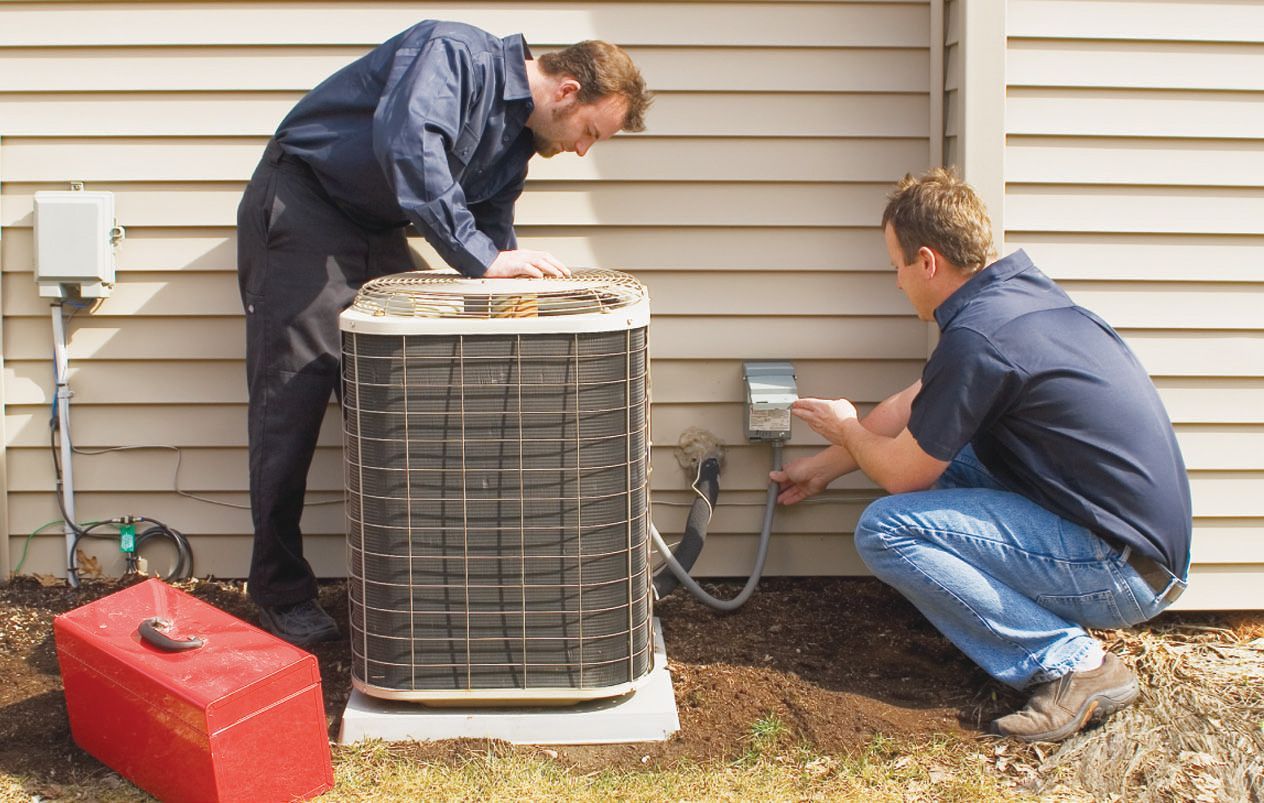
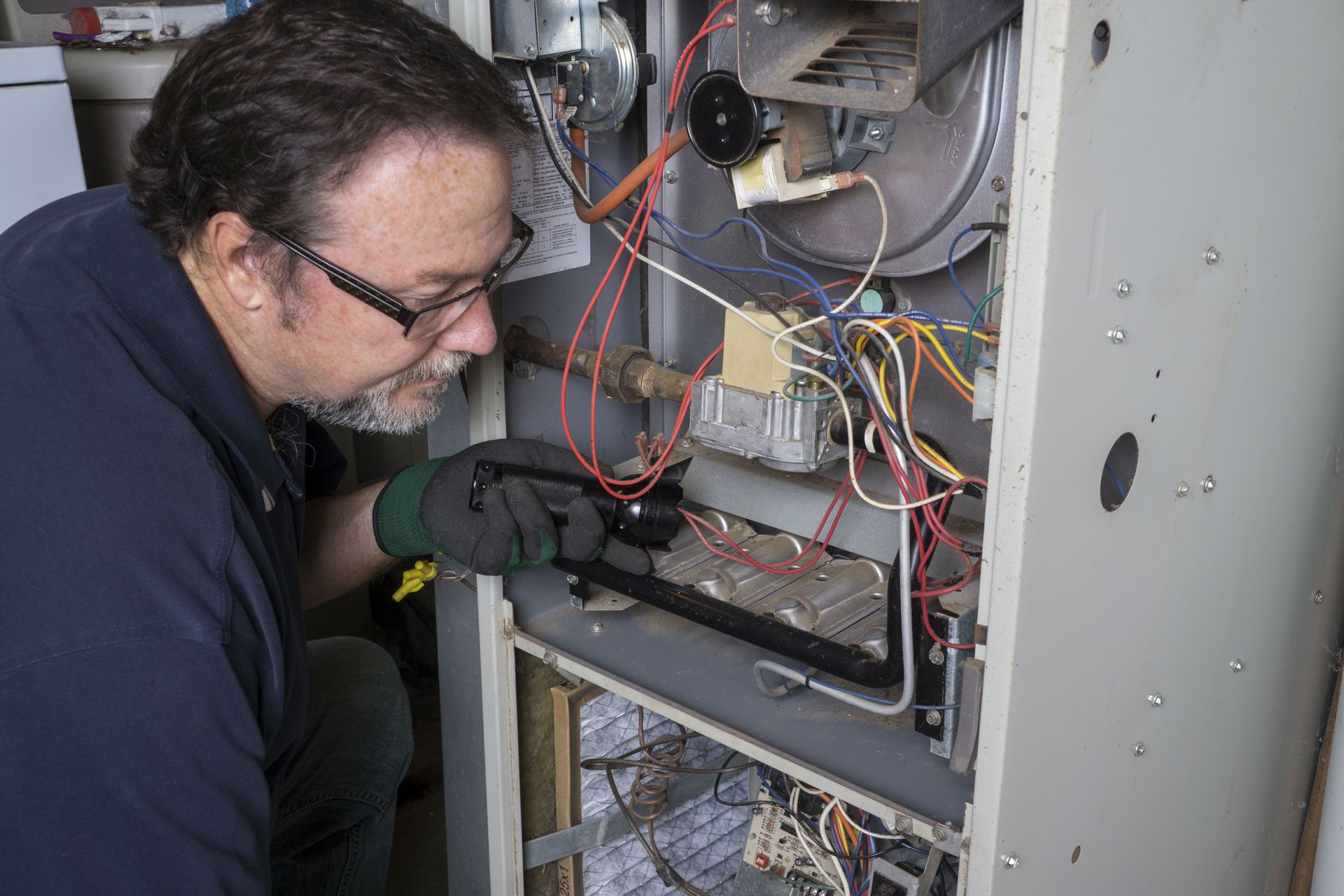
Heating and cooling equipment gradually collects dirt and experiences normal mechanical wear. During maintenance, a technician can inspect electrical connections, examine the condensate drain, clean accessible components, and test operation against the manufacturer's specifications. These checks help identify conditions that make equipment work harder than necessary.
For example, dirt on an outdoor condenser coil can interfere with heat transfer, while a struggling blower motor can limit airflow through the home. Correcting these issues may improve performance and reduce unnecessary strain.
A regular HVAC service schedule is especially useful ahead of seasons when the system will run most frequently. The appropriate timing depends on equipment type, climate, and manufacturer guidance. A maintenance appointment cannot guarantee lower bills, but it gives homeowners a clearer picture of how their system is operating and what needs attention.
2. Keep Filters Clean Without Restricting Airflow
Air filters capture airborne particles as air moves through a home's return system. When a filter becomes heavily loaded with dust, airflow can drop. The equipment may then take longer to heat or cool rooms, and certain systems can experience additional operating problems.
Homeowners can check filters regularly and replace or clean them according to the manufacturer's instructions. Homes with pets, frequent system use, or substantial airborne dust may need more frequent checks. Using a filter with a higher efficiency rating is not automatically better if the system cannot accommodate its resistance to airflow.
During HVAC service, a technician can verify that the filter fits correctly and that airflow meets the equipment's requirements. This helps distinguish a simple filter issue from other causes of weak airflow, such as a blocked return grille or undersized duct.
3. Find Duct Leaks Instead of Cooling Unused Spaces
Conditioned air needs a reliable path from the equipment to the rooms people use. Loose duct connections, gaps near fittings, and damaged sections can release that air into an attic, crawl space, or another unconditioned area. A house may feel unevenly cooled even while the system runs for long periods.
According to This Old House, properly sealed HVAC ducts can increase efficiency by up to 20%. Actual improvements depend on the duct system's condition, the location of leaks, and the work performed. The statistic highlights why duct sealing deserves attention when evaluating household energy waste.
A technician providing HVAC service can inspect accessible ductwork, identify suspected leakage points, and recommend suitable sealing methods. Routine duct cleaning, however, is not a substitute for sealing air leaks and is not automatically necessary in every home. The priority is fixing problems that affect air delivery.
4. Correct Refrigerant and Component Problems Promptly
Air conditioners and heat pumps rely on refrigerant to move heat. If a system has too little refrigerant because of a leak, cooling performance can suffer, and the equipment may operate inefficiently. Ice on refrigerant lines, unusually long cooling cycles, or rooms that no longer reach the set temperature warrant professional attention, although these symptoms can have several causes.
A qualified technician can assess refrigerant pressures and temperatures alongside airflow and other operating conditions. Adding refrigerant without investigating a suspected leak does not address the underlying problem. Refrigerant handling should be left to trained professionals with the required credentials.
Other components matter, too. Faulty capacitors, worn contactors, or obstructed coils can affect reliability and performance. Timely HVAC service provides an opportunity to identify and repair these issues before continued operation causes further damage. Homeowners should report unusual noises, odors, or changes in cooling performance rather than waiting for a complete breakdown.
5. Match Temperature Settings to Daily Routines
Thermostat settings influence how often heating and cooling equipment operates. A schedule that reflects when people are home, asleep, or away can reduce unnecessary conditioning without requiring anyone to give up comfort. A programmable or compatible smart thermostat makes these adjustments easier to manage consistently.
The best settings depend on household needs, weather, and the type of equipment installed. For example, some heat pump systems require special consideration when using large temperature setbacks, particularly if backup electric resistance heat may activate. A technician can explain which settings make sense for the specific system.
Thermostat placement matters as well. Direct sunlight, nearby appliances, or drafts can make the device sense a temperature that does not reflect the room accurately. During an HVAC service appointment, checking thermostat operation and placement can help uncover unnecessary cycling or comfort complaints.
6. Evaluate Equipment Efficiency and Proper Sizing
An older system is not automatically ready for replacement. If it is reliable and well maintained, targeted repairs or adjustments may be more practical than installing new equipment. However, repeated breakdowns, persistent comfort problems, and increasing energy use can justify an evaluation of replacement options.
When replacement makes sense, efficiency ratings and equipment features deserve careful comparison. ENERGY STAR certified models meet applicable efficiency criteria, but actual household results depend on installation quality, climate, usage, and the existing system. High-efficiency equipment cannot deliver its intended performance if major duct or airflow problems remain unresolved.
Sizing is equally important. An oversized unit can cycle too frequently, while an undersized one may struggle during demanding weather. Before recommending new equipment, a contractor should assess the home's cooling and heating loads, including insulation, windows, and local conditions. This turns HVAC service into a chance to make an informed long-term decision instead of selecting equipment based solely on the size of the old unit.
7. Consider Zoning and Connected Controls Carefully
Some homes have rooms that heat up in the afternoon while others remain comfortable. Zoning systems can help manage these differences by controlling conditioned air delivery to separate areas. Connected thermostats may also help households monitor settings and adjust schedules remotely.
These technologies are not universal fixes. A zoning design must account for airflow, duct capacity, and equipment compatibility. Closing off too many outlets without proper controls can increase duct pressure and harm system performance. Likewise, a smart thermostat needs to be compatible with the equipment and configured correctly to provide useful control.
Homeowners should begin by identifying where and when comfort problems occur. A technician can then determine whether the cause is insulation, sunlight, duct leakage, equipment sizing, or a control issue. The best upgrade is one that solves a documented problem rather than adding features that will rarely be used.
Make Efficiency Improvements That Fit Your Home
Lower energy use often starts with understanding how the existing system performs. Clean filters, sound duct connections, accurate controls, and professional maintenance can all support more consistent comfort. When replacement is appropriate, proper sizing and installation are just as important as the efficiency label.
Manatee Air Heating & Cooling Inc can help homeowners assess system performance and prioritize practical improvements. Schedule
HVAC service to discuss airflow concerns, recurring cooling problems, or maintenance needs before they become larger disruptions.